What Long Island Homeowners Can Check Before Cold Weather Arrives
Before temperatures start dropping, now is a good time to make sure your heating system is ready for the season ahead.
There are several things homeowners can check themselves, from the air filter to the thermostat and the airflow throughout the home. But some parts of a heating system require professional experience and equipment to properly evaluate.
Start With a Few Simple Checks
Check Your Air Filter. A dirty or clogged filter can restrict airflow and make your system work harder. If you haven't checked it recently, now is a good time.
Test Your Thermostat. Switch your system to heating mode and make sure it responds properly. The system should start, heat the home, and shut off when the desired temperature is reached. While you’re checking the thermostat, replace the batteries if needed to help ensure it’s ready for the heating season.
Look at Your Vents. Make sure supply and return vents aren't blocked by furniture, rugs, or other objects. Restricted airflow can affect how evenly your home heats.
Pay Attention to Anything Unusual. Strange noises, unusual odors, weak airflow, water around the equipment, or rooms that don't heat evenly are all worth taking note of.
These simple checks won't tell you everything about the condition of your heating system, but they can help you identify problems before cold weather arrives.
When Should You Have Your System Professionally Checked?
Some components aren't something homeowners can accurately evaluate on their own. Motors, capacitors, control boards, pressure switches, electrical components, refrigerant systems, drainage components, and other parts require professional testing and experience.
A professional heating inspection goes beyond simply turning the system on. It allows a technician to evaluate the equipment, check system performance, and look for potential problems that may not be obvious from the outside.
What Does a Heating System Inspection Include?
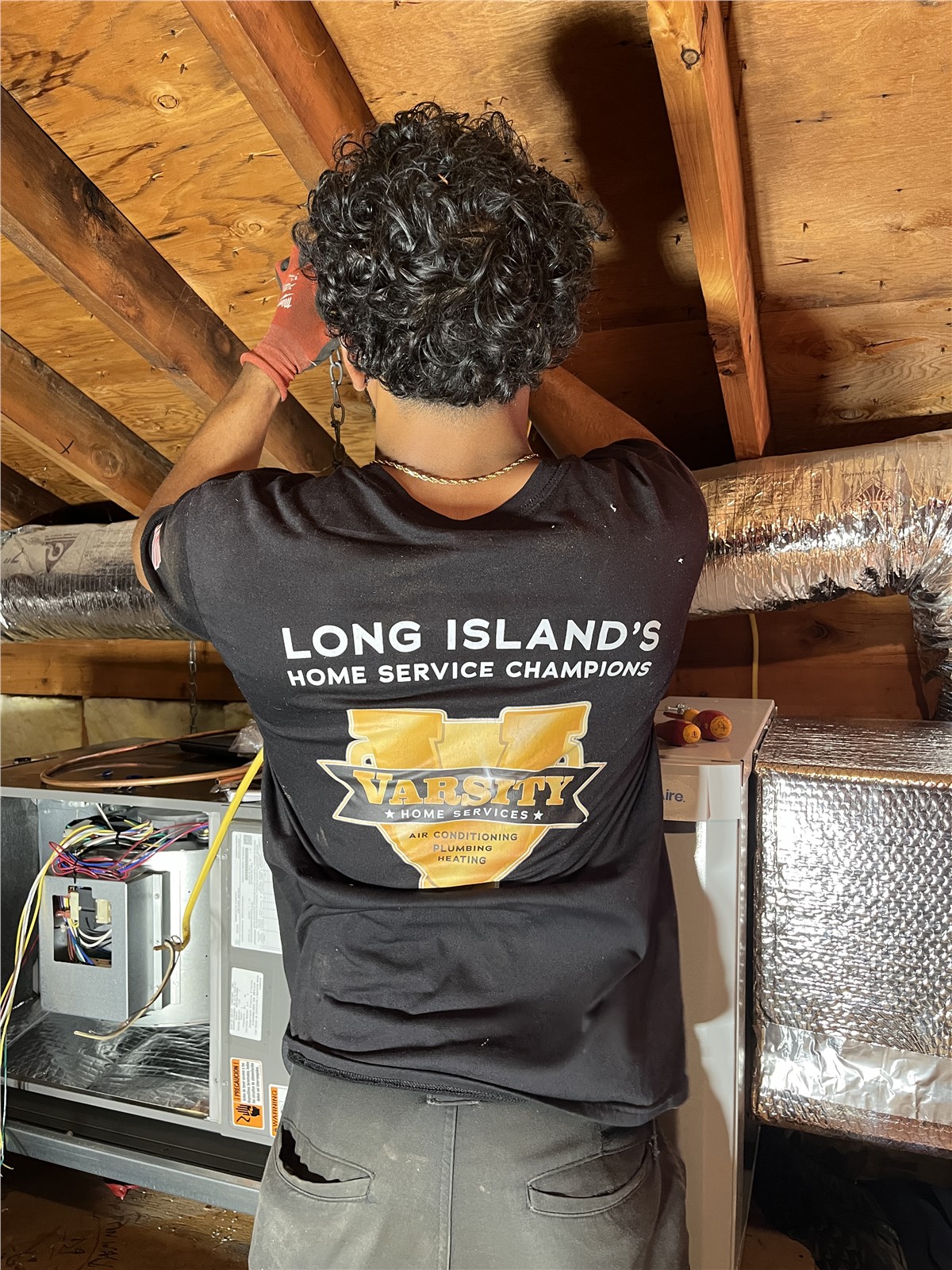
At Varsity Home Services, our multipoint inspection looks at the major components that affect your system’s operation, safety, and performance. The specific components we inspect vary depending on the type of heating system in your home, but our technicians evaluate the key equipment, connections, and safety components applicable to your system.
Indoor Equipment
Air Handler • Blower Motor • Capacitor • Thermostat • Fan Blower Wheel • Fan Control Board • Indoor Coil • Filter
Airflow & Performance
Supply and Return Ductwork • Supply and Return Temperatures • Refrigerant Lineset
Drainage & Safety
Condensate Drain • Wet Switch • Pressure Switches • Disconnect Box
Boiler & Hydronic Heating Equipment
Boiler • Supply & Return Piping • Circulator Pump • Expansion Tank • Zone Valves • Aquastat & Boiler Controls • Safety Relief Valve • Low-Water Cutoff
Outdoor Equipment
Condenser Coil • Condenser Fan Motor • Condenser Dual Capacitor • Condenser Contactor Relay • Compressor
Additional Comfort Features
Humidifier • Indoor Air Quality Features
Because heating systems vary, not every component listed above applies to every home. Our technicians focus on the equipment and components specific to your system.
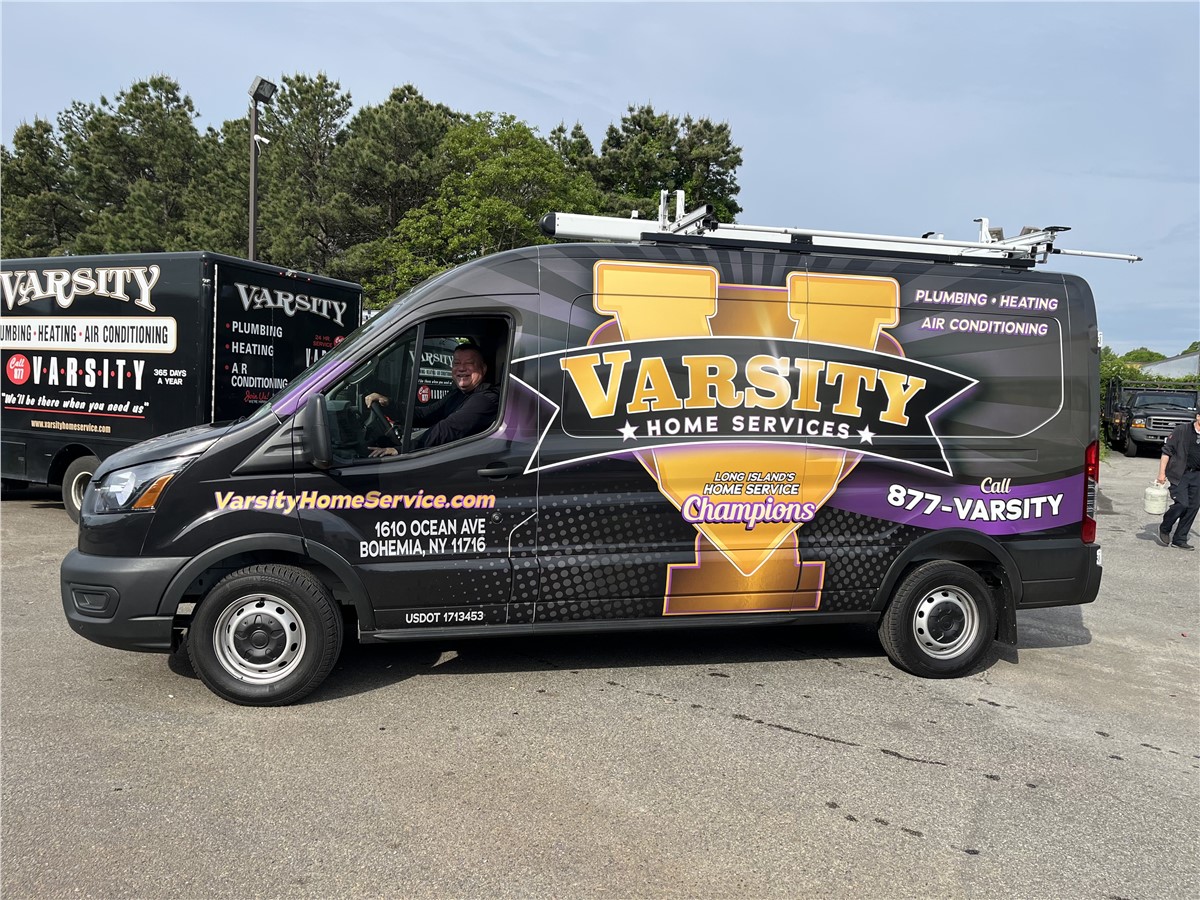
Don't Wait for the First Cold Day
The best time to discover a heating problem isn't when your family is already relying on the system.
Checking the basics now and having your system professionally evaluated when needed can give you time to address potential problems before they become an emergency.
If your heating system has been making unusual noises, struggling to keep up, or hasn't been professionally inspected recently, September is a good time to have it checked before the cold weather arrives.
Subscribe to Varsity Home Services's Blog