A Long Island Homeowner’s Guide
Not every air conditioning problem means you need a new system.
A warm bedroom, an unusual sound, or even a single electrical repair may have a relatively simple solution. AC replacement becomes more likely when the problem involves major equipment deterioration, recurring repairs, declining comfort, or several warning signs happening at the same time.
For Long Island homeowners, understanding which AC problems deserve the most attention can help you make a more informed decision about whether to repair your existing air conditioner or start considering replacement.
Which AC Replacement Warning Signs Are Most Serious?
Some AC problems deserve more careful evaluation than others. While no single symptom automatically means an air conditioner needs to be replaced, certain warning signs become particularly important when they occur on an older system.
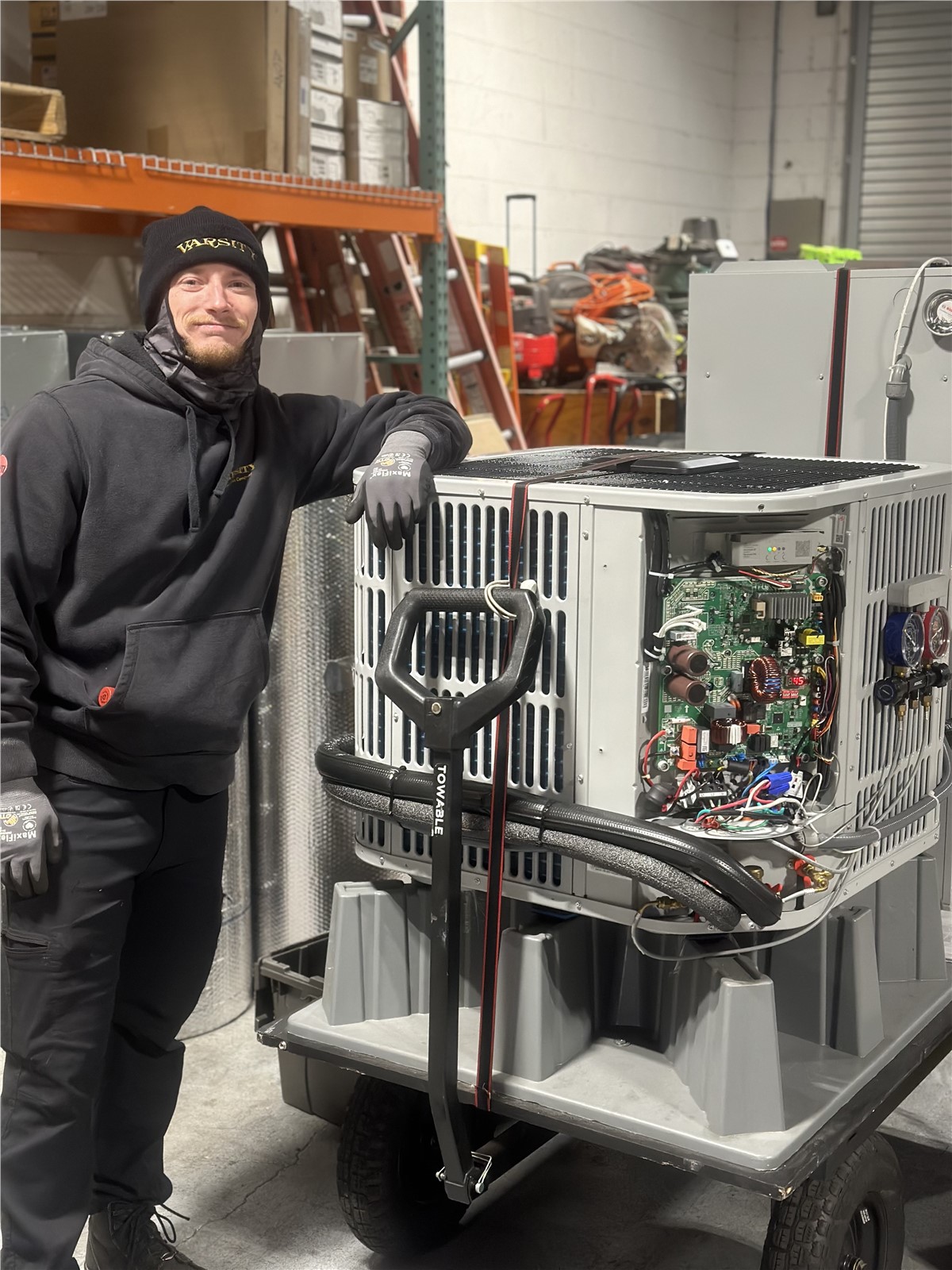
Compressor Failure
The compressor is one of the most important components in a central air conditioning system.
A failed compressor can represent a significant repair, particularly when the system is already older. If an aging air conditioner develops a compressor problem, it is worth comparing the cost of the repair with the age, condition, repair history, and expected reliability of the entire system.
Major or Recurring Refrigerant Leaks
A refrigerant leak does not automatically mean you need a new air conditioner.
Some leaks can be repaired. However, replacement deserves stronger consideration when refrigerant problems keep returning, a major coil needs to be replaced, or the system is already approaching the end of its expected service life.
Repeated refrigerant repairs can also be a sign that continuing to invest in an aging system may not be the most practical long-term solution.
More Frequent AC Repairs
One isolated repair does not necessarily indicate that an air conditioner is failing.
A pattern of increasingly frequent repairs is more significant.
If your AC has required multiple repairs over several cooling seasons, especially if those repairs are becoming more expensive, it may be time to evaluate the overall condition of the system rather than looking at each repair individually.
Major Comfort Decline
An air conditioner can sometimes continue running while providing noticeably worse comfort.
You may notice:
- Rooms that stay warmer than others
- Longer cooling cycles
- Poor humidity control
- The system running constantly
- Difficulty maintaining the thermostat setting
- A home that feels uncomfortable despite the AC running
Poor cooling does not automatically mean the equipment needs to be replaced. Duct leakage, restricted airflow, inadequate insulation, improper sizing, or other problems can also affect comfort.
The underlying cause should be identified before deciding that replacement is necessary.
Several Warning Signs at Once
Often, the strongest replacement indicator isn't one particular problem—it's a pattern.
For example, an older AC system that is experiencing frequent repairs, increasing operating costs, declining comfort, and a major component failure deserves much more careful consideration than a newer system experiencing one isolated problem.
When several warning signs occur together, evaluating replacement before a complete breakdown may make sense.
Why Long Island AC Systems Can Age Differently
Long Island homes experience conditions that can affect how air conditioning systems perform and age.
When evaluating an older AC system, the equipment itself is important, but so are the home's location, ductwork, insulation, and overall comfort requirements.
Coastal Salt-Air Exposure
Homes in waterfront areas and communities near the coast can experience greater exposure to salt-laden air.
Over time, this environment can contribute to corrosion of outdoor HVAC equipment and make the condition of components such as coils and cabinets particularly important when evaluating an aging system.
If you live near the water, the condition of your outdoor condenser deserves particular attention as your system gets older.
Humid Long Island Summers
Long Island summers aren't just about temperature. Humidity plays an important role in how comfortable your home feels.
An older air conditioner may still be able to reach the thermostat setting while struggling to properly control indoor humidity.
If your home feels muggy even though the thermostat says you've reached the desired temperature, the entire cooling system should be evaluated—not simply the temperature setting.
Older Homes and Duct Systems
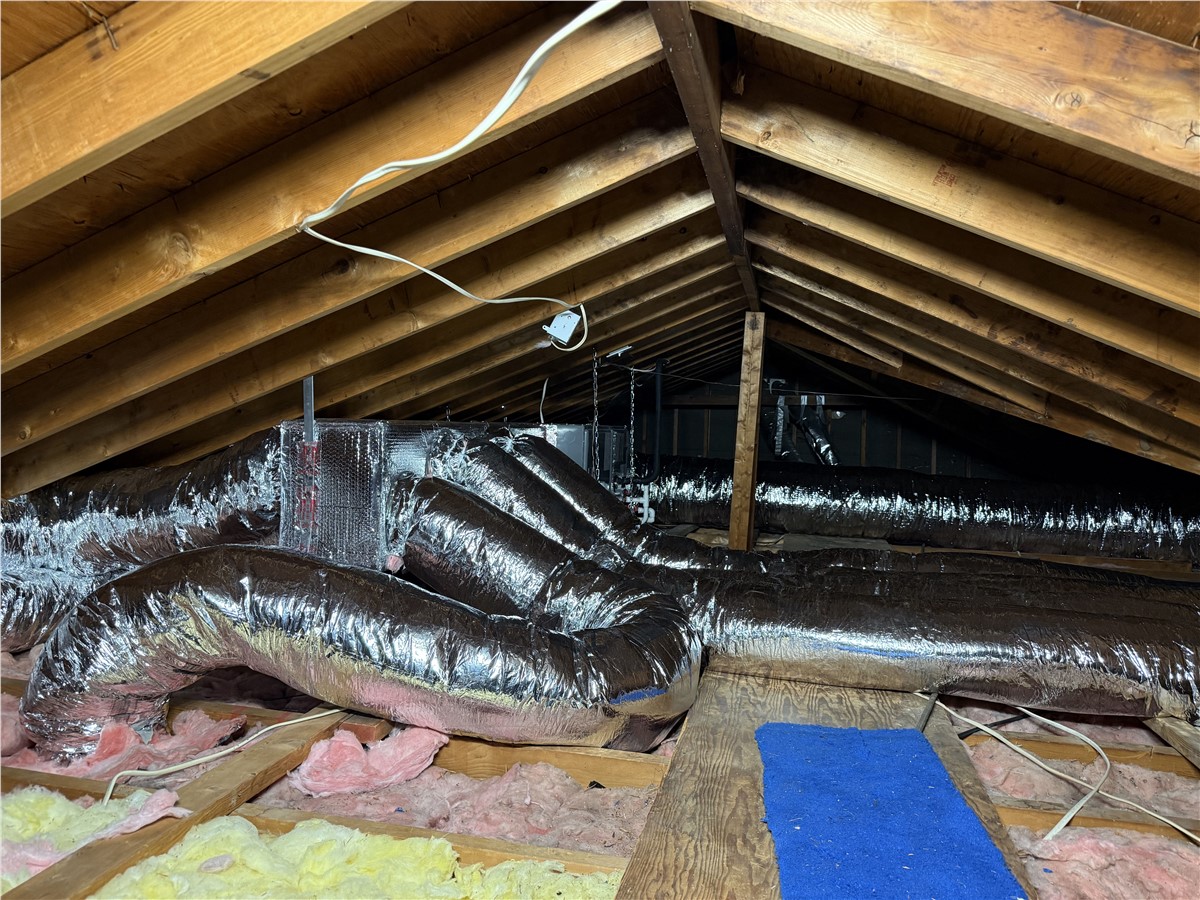
Many Long Island homes also have older ductwork, insulation, or building-envelope conditions.
These factors can contribute to comfort problems that may be mistaken for an air conditioner failure.
Potential causes include:
- Duct leakage
- Poor airflow
- Inadequate insulation
- Improper duct sizing
- Other building-envelope issues
Replacing the air conditioner alone may not solve these problems. A proper evaluation should consider the complete system and the home it is cooling.
Should You Replace an AC Before It Completely Fails?
Not every homeowner needs to replace an air conditioner before it stops working.
However, planned AC replacement may be worth considering when an older system is still operating but several warning signs are already present.
For example, you may want to begin evaluating replacement options when:
- Your AC is 15–20+ years old
- Repairs are becoming more frequent
- Refrigerant problems are developing
- Comfort is declining
- Reliability during hot weather has become uncertain
- Major components are beginning to fail
Replacing an aging system before a complete breakdown can give homeowners more time to compare equipment, review warranties, consider financing options, and schedule installation without the pressure of an emergency.
How Do You Know Whether to Repair or Replace Your AC?
The warning signs discussed in this guide can tell you that your air conditioner deserves a closer evaluation. They cannot determine the final repair-or-replace decision by themselves.
That decision should take several factors into account, including:
- System age
- The component that failed
- Repair cost
- Warranty coverage
- Recent repair history
- Refrigerant condition
- Overall equipment condition
- Comfort performance
- Expected future reliability
A minor repair on an older system may still be worthwhile if the equipment is otherwise reliable and in good condition.
On the other hand, a major repair on an aging system with a history of repeated problems may be a good opportunity to evaluate replacement.
If you're already facing an AC repair and trying to decide whether investing more money into your existing system makes sense, read our complete guide:
Should You Repair or Replace Your Air Conditioner?
That guide covers repair costs, failed components, system age, warranties, refrigerants, and long-term ownership costs in greater detail.
Frequently Asked Questions About AC Replacement
What are the most common signs you need a new AC system?
Common warning signs include an air conditioner that is more than 12–15 years old, frequent repairs, rising cooling costs, uneven temperatures, poor humidity control, constant operation, refrigerant leaks, excessive noise, and major component failures such as a failed compressor.
Replacement becomes more important to consider when multiple warning signs occur together.

Is a 15-year-old air conditioner too old to repair?
Not necessarily.
A minor repair may still make sense if the system otherwise operates reliably and has a good maintenance and repair history.
However, major repairs on a 15-year-old air conditioner deserve more careful evaluation because other components are also aging.
How do I know if my AC is starting to fail?
Potential warning signs include reduced cooling, longer runtime, frequent breakdowns, unusual noises, increasing electricity usage, poor humidity control, and recurring refrigerant problems.
Some of these symptoms can have repairable causes, so proper diagnosis is important before deciding on replacement.
Should I replace my AC if it still works?
Not necessarily.
Proactive replacement may make sense when an older system is becoming unreliable, inefficient, expensive to maintain, or unable to provide adequate comfort.
A reliable older system with minimal repair history may still be a reasonable candidate for continued maintenance and operation.
Are frequent AC repairs a sign that replacement is needed?
They can be.
One isolated repair usually does not indicate that an entire air conditioning system is failing. A pattern of multiple repairs over several cooling seasons is more significant, particularly when repair costs are increasing and the equipment is already older.
Does poor cooling always mean I need a new air conditioner?
No.
Poor cooling can also result from duct leakage, restricted airflow, insulation deficiencies, dirty equipment, improper sizing, or other problems.
The cause should be diagnosed before replacing the air conditioning system.
Is a refrigerant leak a reason to replace an AC?
Not always.
Some refrigerant leaks can be repaired. Replacement deserves stronger consideration when leaks are recurring, a major coil must be replaced, the system is older, or other expensive problems are present.
Why Choose Varsity Home Services?
Since 1962, Varsity Home Services has helped Long Island homeowners select, install, maintain, and repair air conditioning systems throughout Nassau and Suffolk Counties.
As a third-generation, family-owned company, we've worked on thousands of cooling systems and understand the demands of Long Island's climate.
Our recommendations are based on decades of installation experience, service history, repair trends, and homeowner feedback—not simply manufacturer marketing.
When evaluating your AC system, we'll help you consider:
- Your system's condition
- Your home's layout
- Your comfort goals
- Energy efficiency objectives
- Budget and financing considerations
- Existing ductwork
- Long-term ownership plans
Our goal is to help you choose equipment that makes sense for your home and your long-term needs.
What You Can Expect From Varsity Home Services
Proper System Sizing
Every air conditioning system should be designed specifically for the home using industry best practices rather than relying on generic rules of thumb.
Honest Recommendations
We'll recommend the equipment and solution that best fits your needs and priorities—not simply the highest-priced option.
Professional Installation
Quality installation is one of the biggest factors influencing comfort, efficiency, and system performance.
Long-Term Support
From annual maintenance to future repairs and eventual replacement, we're committed to helping homeowners maximize the value and performance of their HVAC investment.
Ready to Explore Your AC Replacement Options?
If your air conditioner is getting older, repairs are becoming more frequent, or your home's comfort has started to decline, you don't necessarily have to wait for a complete system failure.
Book an appointment with Varsity Home Services and our team can evaluate your existing system, explain your repair and replacement options, and provide the information you need to make a confident decision for your Long Island home.
The Most Important Takeaway
There is no single symptom that determines whether an air conditioner needs to be replaced.
For most homeowners, the clearest signal is a pattern:
The system is getting older, repairs are becoming more frequent or costly, comfort is declining, operating costs are increasing, and major components are beginning to fail.
When several of these factors occur together, it becomes increasingly worthwhile to evaluate AC replacement before the system reaches complete failure.
A professional evaluation can help you determine whether repairing your existing air conditioner or replacing it is the better long-term option for your home.
Subscribe to Varsity Home Services's Blog